Wildlife
Firefly Seasons in Italy: A Month-by-Month Guide to Peak Viewing
On a still June night in the hills above Lucca, the first firefly appears as a weak green blink near a hedgerow. Ten minutes later there are dozens, tracing slow arcs over an unmown meadow. That is how firefly season usually begins for a patient observer: not with a grand display, but with one small signal that the night has warmed enough. Italy’s firefly calendar is generous, but it is also local. The same week can bring peak activity in Sicily and almost nothing in an Alpine valley. What follows is a practical guide to the months, the regions and the weather patterns that shape a good evening.
How Italy’s Firefly Calendar Works
Italy does not have a single firefly season. It has a rolling sequence of them, pushed forward by warm southern springs and held back by cool northern nights and high ground. Altitude matters as much as latitude: a meadow at 1,200 metres in the Apennines may peak a month or more after a coastal plain at the same longitude. Dry summers can shorten displays in the south, while irrigated gardens, damp valleys and mountain pastures keep them going longer.
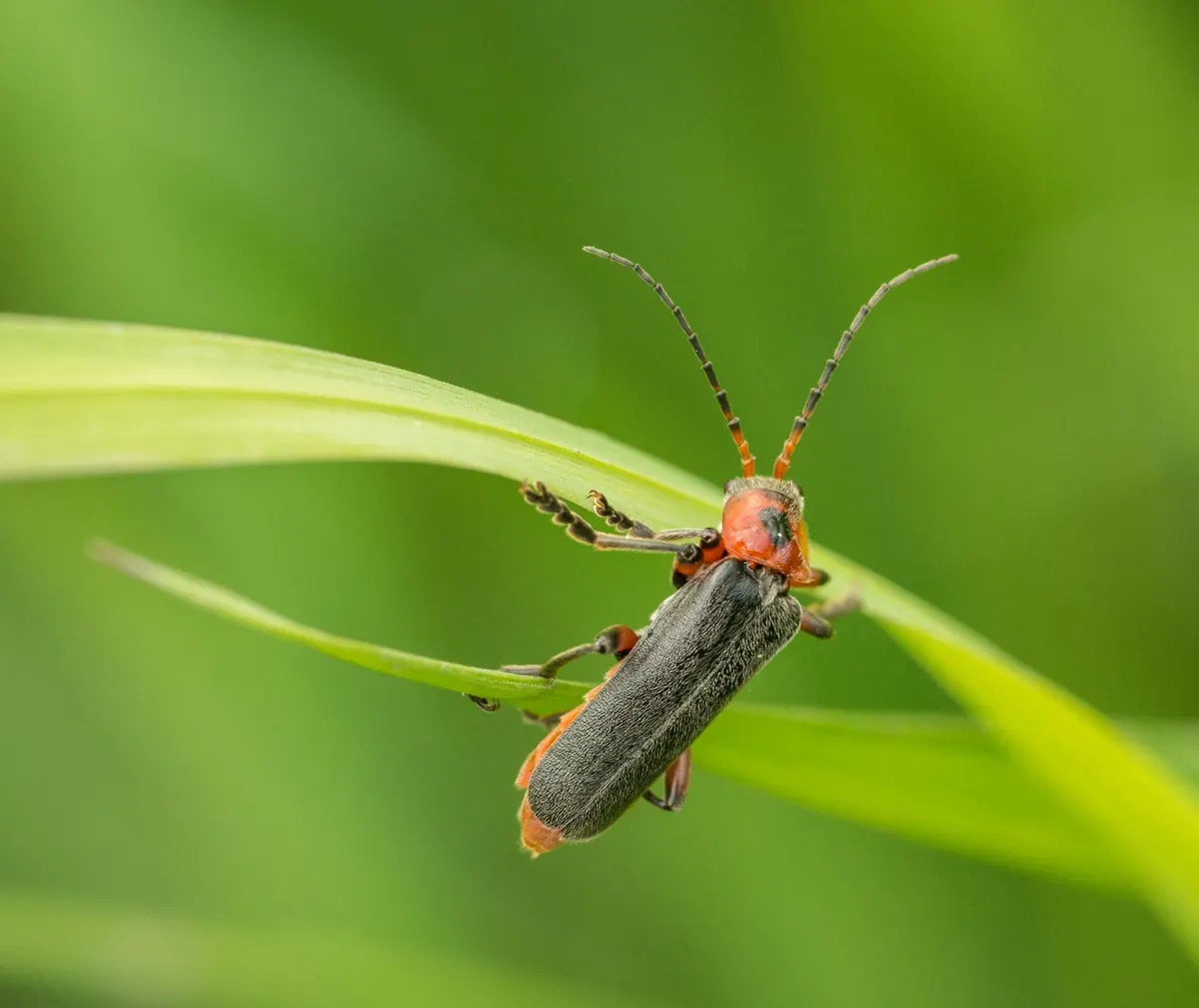
Fireflies are beetles, not flies. The adults are usually short-lived, focused on mating and egg-laying, and their glow is a courtship signal. Larvae may glow faintly from the ground, which is why a low green light in grass is not always an adult. The main flight season runs from spring into summer, with a few late stragglers in mild autumns.
What you are actually looking for
- Luciola fireflies. These are the familiar flying fireflies of Italian meadows and woodland edges, with adults flashing while moving low over vegetation.
- Lampyris glow-worms. In the common glow-worm, the female is flightless and larviform, glowing from a stem or grass tussock while the winged male searches for her.
- Local relatives. Italian firefly populations vary by region and habitat, and names differ in older guides. The practical point is to watch the behaviour: flying flashes suggest one group, steady ground-glow another.
March to May: The First Warm Nights
The earliest reliable sightings usually come from the warmest, most sheltered parts of the country: coastal Sicily, Sardinia, Puglia, and mild Ligurian or Tyrrhenian slopes. Late March and April can produce scattered activity in these pockets, especially after a mild spell and a damp evening. Central Italy follows in April and May, while the Po Valley, the northern foothills and higher Apennine meadows often wait until May.
Do not expect a spectacle in March. The first nights are sparse, and a single glowing female in a hedge may be the whole show. That is still worth the walk. Look along unsprayed field edges, olive groves, damp ditches, old stone walls and the margins where woodland meets grass. These early emergences are fragile: a cold snap, a dry wind or a late frost can silence them for several nights.
June and July: Peak Season in Most of Italy
For much of the peninsula, June is the heart of firefly season. Warm days, damp soil and calm evenings combine to produce the displays people remember. Central Italy—Tuscany, Umbria, Lazio, Marche—often has strong activity in June, with hedgerows and meadow edges lighting up in the first hour after full darkness. The north generally peaks a little later, from late May into July, depending on spring rainfall and altitude.
July can still be excellent, especially in the north, in mountain valleys and near streams or wetlands. In the hotter south, drought and heat may shorten the season, pushing activity into damper hollows and irrigated land. A good June or July night is usually mild, humid and still, often after a shower earlier in the day. The first hour after complete darkness is often the most productive; in central Italy in June, that can mean roughly 21:30 to 23:30, though the exact window shifts with sunset.
August: Altitude, Coasts, and a Changing Cast
August is not a dead month for fireflies, but it is a month of local pockets rather than broad, easy spectacle. Lowland meadows that were alive in June may be dry and quiet. Higher ground in the Alps and Apennines can still offer good viewing, particularly in damp pastures, along shaded tracks and near streams. Coastal wetlands and well-watered gardens may also hold small populations.
This is the month to think vertically. If the valley is parched, climb a little. If the coast is crowded, look for quiet, unlit paths between cultivated fields and scrub. August evenings can be balmy and windless, which helps, but a long dry spell can suppress activity even where habitat looks ideal. Rainfall matters: a soaking storm followed by warm, calm weather often revives a lagging display.
September and October: The Last Glimmers
By September, the main flight season is winding down across most of Italy. In mild, damp areas you may still find scattered glow-worm females in hedges and rough grass, and a few late flying fireflies near sheltered woodland edges. October sightings are uncommon and usually local: a single green light in a favoured damp corner, rather than a meadow full of them.
Treat these months as a bonus rather than a plan. A warm, humid September evening after rain is worth a try, especially in the south and in low, sheltered valleys. By October, any firefly is a small piece of luck. Enjoy it quietly and leave the habitat undisturbed.
Weather, Moon, and the Microclimate of a Good Night
Firefly activity is weather-dependent in ways you can read from the evening itself. The adults need warmth to fly and flash, and humidity helps many species avoid drying out. Wind makes flight difficult and breaks up the visual signal. Heavy rain suppresses activity, but the right kind of rain matters: a wet day that clears into a warm, still evening can be excellent.
- Warmth. Mild nights, often from about 15°C upward, are worth checking. Very cool evenings usually mean little movement.
- Humidity. Damp air, dew on grass and recent rain often improve displays.
- Wind. Choose still evenings. A brisk breeze can keep fireflies low and hidden.
- Rain. Avoid heavy rain, but do not dismiss the first calm evening after a shower.
- Moon. A bright full moon washes out contrast. New moon and cloudy-but-dry nights often show more.
- Light. Streetlights, phone screens and car headlights disrupt the show. Use a red torch if you need one.
Microclimate matters as much as forecast. A south-facing meadow, a sheltered hedge, a stream corridor or a woodland clearing can hold warmth and moisture when the surrounding area is cooler or drier. Fireflies also need unsprayed, structurally varied habitat: tall grass, hedgerows, leaf litter, damp ground and dark nights. A tidy, brightly lit lawn is unlikely to deliver.
Plan a Firefly Evening
Pick a mild, calm evening after a damp day, ideally away from bright lights. Arrive before dusk so you can find a safe path and let your eyes adjust. Walk slowly along meadow edges and woodland tracks, then stop and wait. Fireflies often reveal themselves in the gaps between your footsteps.
- Check the forecast for warmth, low wind and recent rain.
- Choose a dark, unsprayed route with grass margins, hedges or damp ground.
- Bring a red torch, a light jacket and insect protection for your own comfort, keeping sprays and smoke away from habitat.
- Turn off phone lights and avoid sweeping beams across the meadow.
- Watch quietly from one spot for at least twenty minutes before moving on.
Go gently. Fireflies are sensitive to habitat loss, light pollution and disturbance, and a good site is worth protecting. The reward is simple: a warm night, a dark hedge and a small green signal that has been part of the Italian countryside for far longer than any of us have been watching.
Photo: Petr Ganaj / Pexels
Related Articles