Environment
How to Attract Pollinators to a City Window Box: A Step-by-Step Guide
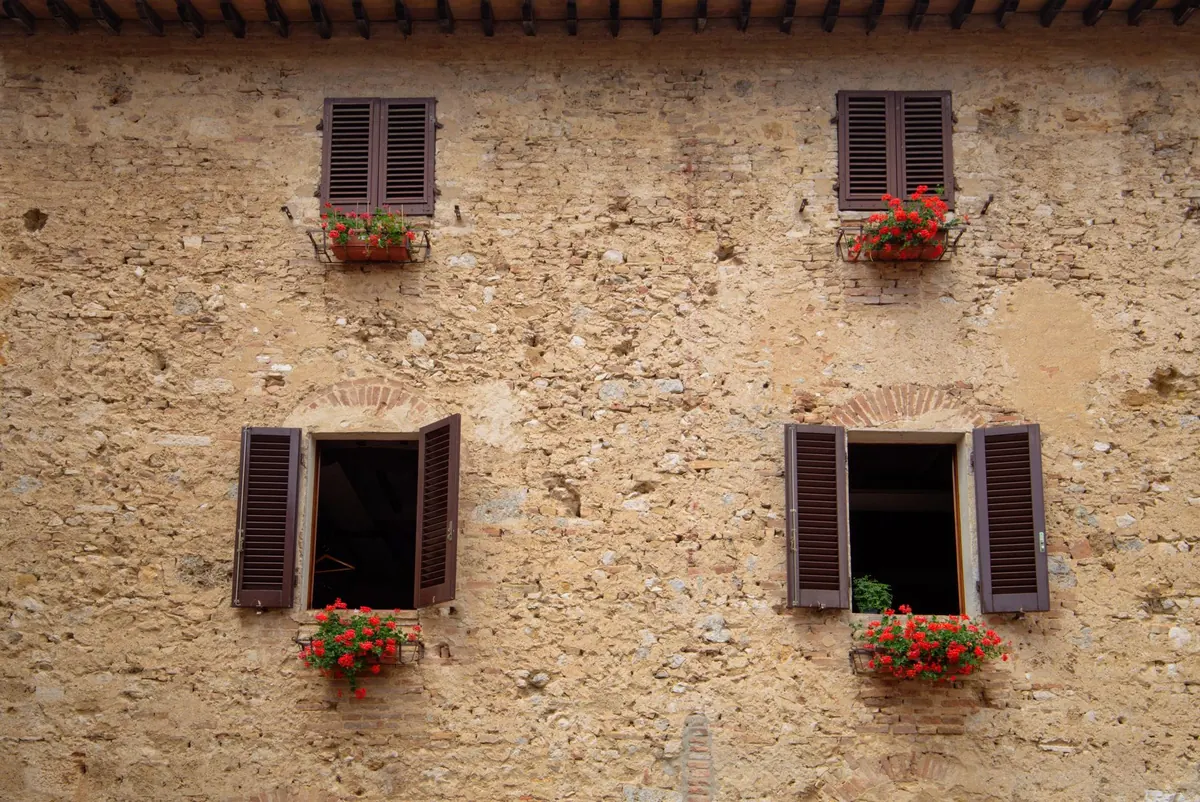
A window box is a small place to garden, and that is exactly why it can work. Bees and butterflies are not looking for a meadow; they are looking for the next reliable flower, close enough to reach without burning too much energy. On a fourth-floor ledge above a busy street, a metre of soil can become a genuine stop on that route. What follows is the version of window-box gardening that puts the insects first, without asking you to turn your flat into a research station.
Read Your Ledge Before You Buy a Single Plant
Spend one ordinary day watching the spot where the box will hang. Note when the sun arrives, when it leaves, and whether the wall behind the box throws heat back at it. A south- or west-facing ledge that bakes from noon onward needs plants that shrug off dry heat: lavender, rosemary, thyme, oregano, portulaca. A north- or east-facing box stays cooler and holds moisture longer, which suits salvia, fuchsia, sweet alyssum, mint, and most of the shade-tolerant wildflowers you will find at a good nursery.
Wind matters as much as light. The higher you are, the harder it blows, and a box on an exposed corner will dry out twice as fast as one tucked into a recess. Glass is another factor people forget: a window reflecting afternoon sun can raise the temperature around a box by several degrees in still weather. If your ledge is a hot, bright, breezy one, plan to water more often and choose tougher plants rather than fighting the conditions.
Finally, look down. Check what your box will hang above. Anything over a pavement, a doorway, or a neighbour's balcony needs proper brackets fixed into masonry, rated for the weight of wet compost, not dry. A filled box is heavy — a long one can easily weigh more than a small child — and it will only get heavier after rain. If you rent or live in a managed building, confirm that balcony and ledge planters are allowed before you drill.
The Three-Part Planting Formula
A box that feeds pollinators still has to look good, or you will resent it by August. The reliable structure is simple: something upright at the back or in the middle, something mounding around it, and something that spills over the front edge.
Upright
Annual or tender salvias, lavender, upright verbena, cosmos, or a compact rudbeckia. These give height and, more importantly, give insects a landing platform at eye level with the street.
Mounding
Oregano, scabious, calendula, zinnia, or a low aster. This is the middle layer where most of the feeding happens, because these plants produce many small flowers over a long season.
Spilling
Sweet alyssum, trailing verbena, nasturtium, or a compact bidens. These soften the box's edge and fill the gaps where weeds would otherwise move in.
Choose single flowers, not doubles
This is the one rule worth being strict about. Doubled blooms — the tightly ruffled petunias, begonias, and busy Lizzies sold by the tray — often carry little nectar and hide what they do have behind layers of petal. Single, open flowers put the pollen where a bee can actually reach it. Scent is a decent shortcut: if a flower perfumes the air on a warm evening, it is probably advertising something real.
Plants That Earn Their Space
You do not need rare species. The following are widely available, tolerate container life, and are visited by a range of bees and butterflies. Mix five or six rather than planting one of everything.
- Lavender — drought-tolerant, long-flowering, and a magnet for small bees. Give it full sun and sharp drainage.
- Salvia (upright or bedding types) — weeks of bloom, deep flowers that suit long-tongued bees and butterflies.
- Oregano — let a plant or two flower instead of harvesting it; the tiny blooms are covered in insects in midsummer.
- Sweet alyssum — low, fast, and useful for small bees and hoverflies; it self-sows in gaps.
- Cosmos — tall but airy, and one of the best late-summer flowers for butterflies. Pinch out the tips when young.
- Calendula — cool-season colour that keeps working in spring and autumn when little else is open.
- Scabious — a rounded, pincushion flower that butterflies find easy to stand on.
- Verbena — trailing forms spill beautifully and flower until the first frost.
- Nasturtium — edible, sprawling, and useful for filling the front edge; a few aphids here are not a disaster.
- Borage or viper's bugloss — if you have room for one taller plant, these blue flowers are rarely ignored.
Skip anything sold as a double, and skip insecticide entirely — including the sprays labelled organic. A box with a few chewed leaves is a functioning box.
Watering Is the Skill Nobody Mentions
Window boxes fail more often from watering than from bad plant choices. In July, a small box in full sun may need water every morning; in April, twice a week is plenty. Push a finger in to the second knuckle and water when it comes out barely damp.
Water thoroughly, in the morning, until it runs out of the drainage holes. A light daily sprinkle wets the surface and leaves the roots dry, which is the most common way these planters die. If you travel or work long days, a self-watering box with a reservoir will save you; so will mixing a water-retaining granule or coir into the compost, and mulching the surface with gravel or bark.
Empty any saucer that stays full for more than a day. Standing water drowns roots and gives mosquitoes somewhere to breed. Feed lightly — a weak liquid feed every fortnight from midsummer — because too much nitrogen produces lush leaves and very few flowers.
Placement Details That Decide Success
Height helps. A box roughly at the level of a person's chest or a little higher sits in the flight path of bees working along a street, and it is easy to reach for watering and deadheading. Avoid siting it directly above a vent, an extractor fan, or a doorway where hot air and constant traffic will keep insects away.
Give the box a little shelter if you can. A corner, a recessed window, or a neighbouring planter breaks the wind and creates a pocket of still, warm air that pollinators prefer. If your ledge is exposed, plant more densely — a full box shades its own soil and holds moisture — and choose grasses or taller plants at the windy end as a buffer.
Then check the fixing. Use metal brackets rather than chains where possible, spread the load, and inspect screws each spring. If the box overhangs a public footpath, add a slim drip tray to keep runoff off passers-by.
Water, Shelter, and a Little Untidiness
Pollinators need more than flowers. A shallow dish of water with pebbles or glass marbles set in it gives them somewhere safe to drink without drowning; refresh it every couple of days. At the end of the season, resist the urge to cut everything down. Seed heads feed birds, hollow stems shelter overwintering insects, and a box left standing until March is a small piece of habitat rather than a bare planter.
Deadhead regularly through summer to keep flowers coming, but leave the last flush standing. And if you see aphids, wash them off with a jet of water rather than reaching for a spray.
Start Small, Then Add a Second Box
Plant your first box with four or five reliable species, keep the receipt, and treat the first season as an experiment. Note which plants the bees actually visit on your ledge — it will not always be the ones the labels promised — and repeat those next year. Water in the morning, deadhead on your way past, and leave the stems up over winter.
One box is a gesture. Two boxes on the same street, or three along a balcony rail, start to look like a corridor, and that is when a city ledge begins to do real work for the insects passing through it.
Related Articles