Culture
Seasonal Eating in Italy: What to Buy in Late Summer Without Flying Food In
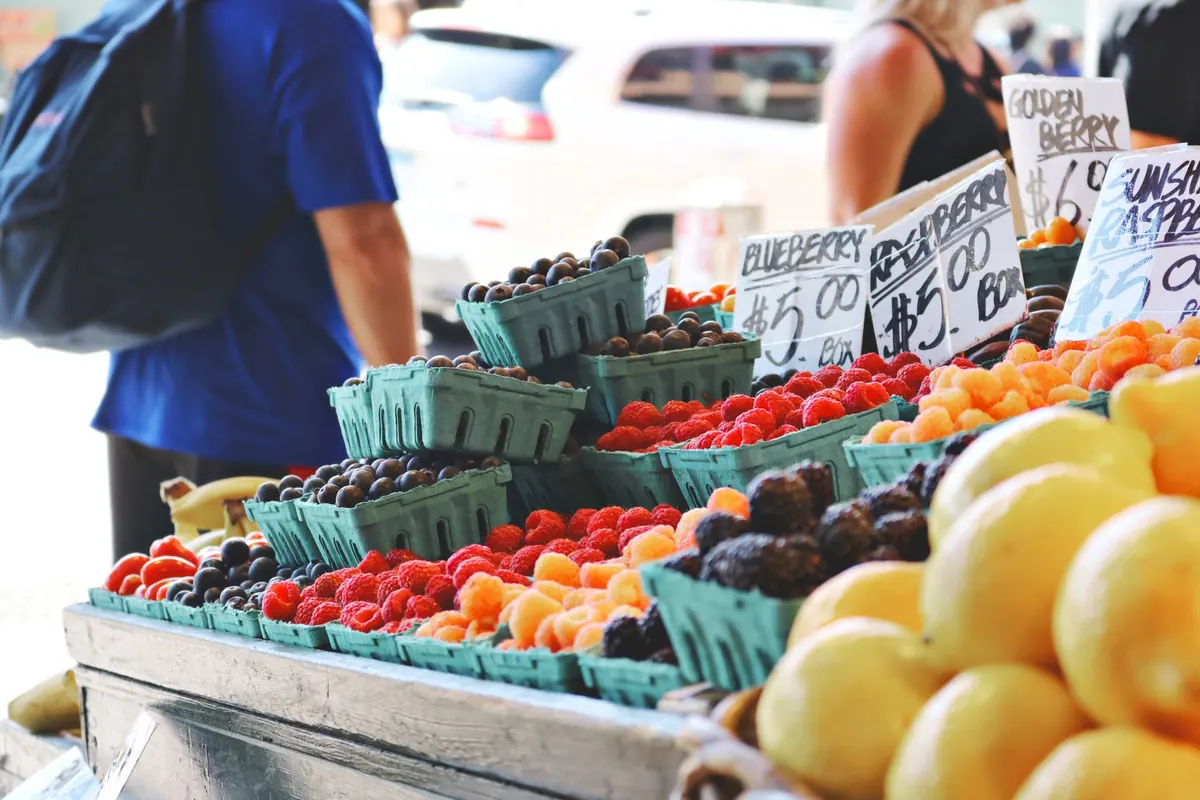
By late August, most Italian market stalls have stopped being modest. Crates of tomatoes in four shades of red sit next to aubergines with their calyx still spiky, bunches of basil tied with string, and figs so ripe the vendor warns you to eat them today. This is the one stretch of the year when eating locally asks almost nothing of you. It is also, oddly, the moment when a plastic punnet of imported raspberries looks most tempting — which is why a little attention pays off now more than in February.
Why late summer does the work for you
For a few weeks, the Italian peninsula produces so much that the surplus spills onto folding tables along the roadside. Tomatoes, peppers, courgettes, aubergines, beans, melons, peaches, plums, figs and the first grapes can all come from within a province or two of each other. You can build an entire meal — antipasto through to dessert — without anything crossing a border.
That matters because the choice is not between pleasure and principle. A tomato picked ripe twenty kilometres away and sold the same morning tastes better than one picked hard and flown in. The lower-impact option here happens to be the more delicious one, which is not always true of ethical shopping, and is worth enjoying while it lasts.
What to buy in late August and September
The list below is not exhaustive, but it is a reliable starting point for a market basket in the last weeks of summer.
Vegetables
- Tomatoes — the main event. Ask for da conserva (sauce) varieties in bulk; they are cheaper, more acidic and better for passata than the salad ones.
- Aubergines — glossy, heavy for their size, with a green calyx that still looks alive. Late summer ones are dense and less bitter.
- Peppers — peperoni of every shape. The long, thin frying peppers are at their sweetest now.
- Courgettes and their flowers — the plants are tired by September, so buy smaller fruit and fry the flowers the same day.
- Fresh shelling beans — borlotti and cannellini in their pods. Pod them in front of the television; cook them with sage and olive oil.
- Chicory and the first greens — as nights cool, radicchio, cicoria and spinach begin to return.
- Basil, parsley, sage — sold in bunches rather than sealed bags, ideally with roots or stems in water.
Fruit
- Figs — buy only what you will eat in two days. They do not wait.
- Peaches and nectarines — smell the stem end; if there is no scent, there is no flavour.
- Plums — including the small, dark susine that make the best jam.
- Melons — ask the vendor to choose, and let them press the base.
- Grapes — the first table grapes arrive as the wine harvest begins.
- Prickly pears — handle with tongs and a cloth, never bare fingers.
How to tell a producer from a reseller
Most Italian markets mix the two, and that is fine — the fishmonger and the cheese stall are not growing anything. But for fruit and vegetables, it helps to know who is standing in front of you.
Ask directly: “Sono suoi?” or “Di dove sono?” Producers are used to it and usually answer with a town name and a gesture. Look for the signs, too. A real farm stall tends to be heavy on two or three crops that are suddenly abundant, with uneven sizes, a little soil still attached, and handwritten cardboard. A stall selling perfect strawberries, asparagus, pineapples and basil in the same week, all year round, is a shop. Nothing wrong with that — just know which conversation you are having.
Words worth recognising on the label or the board: produttore, coltivatore diretto, azienda agricola, filiera corta. They mean more than a generic “km zero” sticker, which can be applied generously.
The air-freight tell
Most food travels by sea and road, and per kilo that is a modest cost. Air freight is different: it is expensive and emissions-heavy, and it is reserved for things that spoil fast and sell at a premium. Which gives you a simple rule of thumb — the more fragile and perishable an out-of-season item is, the more likely it flew.
In a September market, be sceptical of soft berries, asparagus, fine beans, sugar snaps, shelling peas, baby leaves and cut herbs sold in sealed bags, and delicate exotics such as lychees. None of these keep well enough for a long sea voyage. Bananas, pineapples and avocados, by contrast, usually cross oceans by ship; the flight is the problem, not the distance. Judging food by kilometres alone will mislead you.
Shopping a market with a lighter footprint
- Go early for choice, late for bargains. The last hour is when a producer would rather sell cheaply than load the van, but the best varieties are gone.
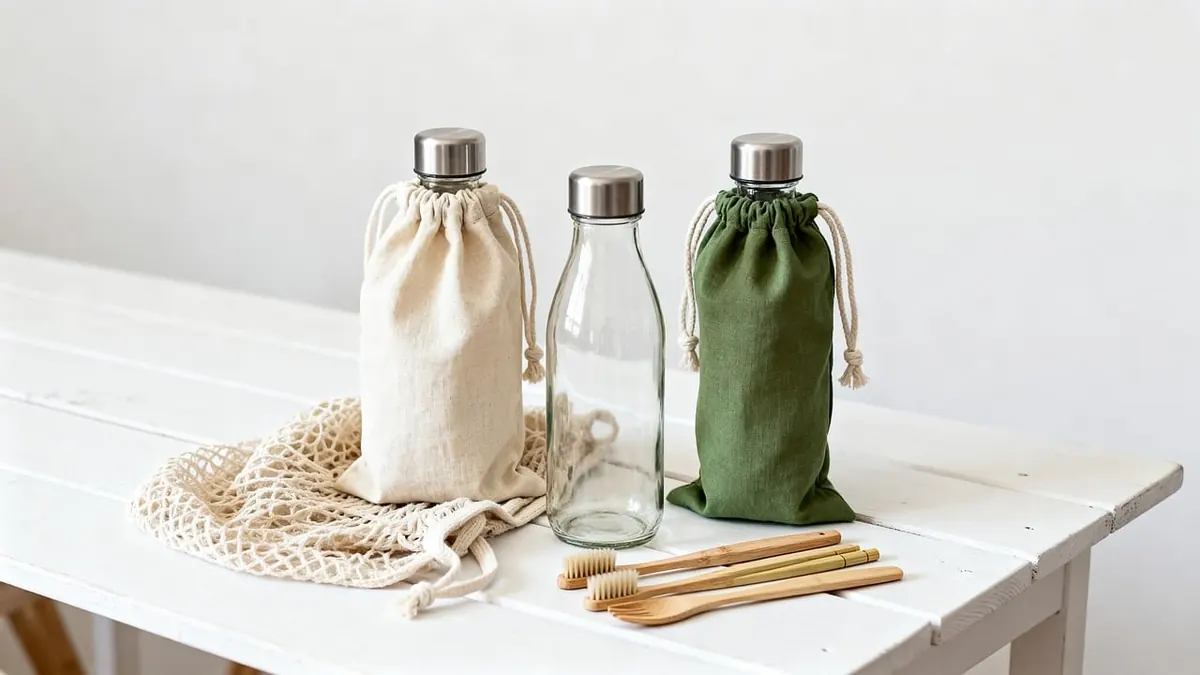
- Bring your own bags and boxes. A shallow wooden crate in the car protects tomatoes far better than a plastic bag.
- Buy the cassetta. A whole box of slightly soft peaches costs little, and half of it can become jam the same evening.
- Ask what is finishing. Vendors will tell you honestly which crop is nearly done — that is the produce to buy now and preserve.
- Choose the ugly ones. Split tomatoes, bent courgettes and small figs are the ones that would otherwise be discarded, and they taste identical.
- Skip the imported “fresh” herbs in winter-style packaging. A pot of basil on the windowsill will outlast three sealed bags.
What to do with a glut
Late summer rewards a few hours of work. Tomatoes become passata: cooked down with salt and basil, passed through a mill, bottled and processed in a water bath. Peppers and aubergines are best grilled, peeled and frozen in portions. Basil turns into pesto, spooned into ice-cube trays. Figs become jam with a little lemon; plums too. Whole beans can be blanched and frozen, though they lose a little texture.
One caution, offered plainly: preserving in oil at home is not the same as freezing. Vegetables kept under oil need proper acidification and tested recipes, and getting it wrong carries real risk. If you are not confident, freeze instead, or follow guidance from a reliable canning source. A short conversation with a local agricoltore who has done it for thirty years is often the most useful advice available.
A short checklist for the next market morning
Take a basket, a couple of shallow boxes and cash. Ask two questions at every fruit and vegetable stall: where is this from, and is it yours. Buy the crops that are overflowing, not the ones that are lonely. Plan one preserving project for the week — a pot of passata, a tray of grilled peppers — and let the rest be eaten raw, with good oil and salt, standing up in the kitchen.
The season is short and generous. For a few weeks, the simplest shopping list is also the best one, and nothing on it needs to board a plane.
Photo: Madison Inouye / Pexels
Related Articles